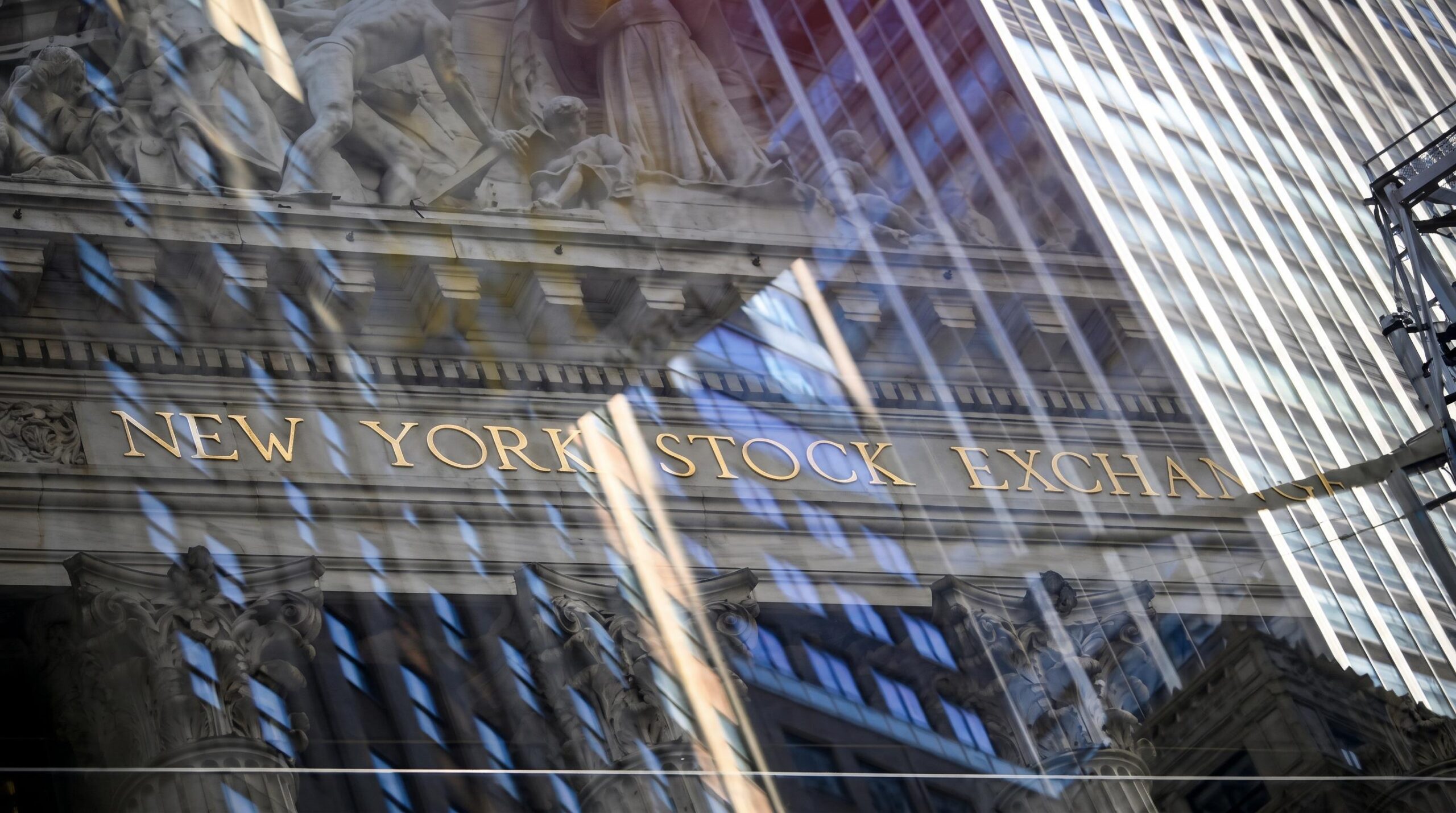
The heart of Wall Street was gripped by chaos as the Nasdaq Composite suffered one of its most violent collapses in recent history, vaporizing over $2.5 trillion in market value within a single trading session. The seismic shockwave rippled across global markets, leaving investors scrambling to assess the fallout and chart a path forward in an environment of heightened uncertainty.
AI stocks in the eye of the storm: Nvidia, AMD and chip makers take the hardest hit
The artificial intelligence sector, once hailed as the driving force behind the market’s relentless ascent, now stands at the epicenter of a brutal reckoning. The collapse of AI-driven valuations exposed deep cracks in the narrative of endless growth, triggering panic among shareholders.
- Nvidia, the undisputed poster child of the GPU boom, saw its stock plummet by 6% to 9%, erasing tens of billions in market capitalization within hours. Investors questioned whether the company’s lofty valuation could be sustained amid slowing demand for AI chips.
- AMD endured a harrowing decline of up to 17%, while Broadcom also faced steep losses, as skepticism spread over the sustainability of the semiconductor rally.
- The memory and storage segment was particularly hard-hit, with Micron Technology shedding between 10% and 17%, Western Digital falling 13%, and SanDisk dropping as much as 22%. These declines reflected a sharp pullback in investor confidence in data center supply chains, signaling a potential slowdown in infrastructure investments.
The Philadelphia Semiconductor Index (SOX) cratered by over 12%, wiping out nearly all gains accumulated over the past few months and underscoring the severity of the sector-wide rout.
Wall Street’s major indices sink into the red amid panic selling
The carnage extended far beyond tech stocks, engulfing the broader market in a wave of indiscriminate selling. The sell-off spared no major index:
- Nasdaq Composite: Led by mega-cap tech stocks, the index suffered a historic plunge.
- S&P 500: Dropped more than 2.6% to 4.3%, delivering the worst single-day performance of the year.
- Dow Jones Industrial Average: Shed over 3%, dragged down by a combination of industrial and tech heavyweights.
- VIX Index (Fear Gauge): Skyrocketed by 33% to surge past 60, a stark reminder of the market’s sudden shift from complacency to panic.
Analysts warned that the surge in volatility reflected not just a correction, but a fundamental reappraisal of risk across the financial landscape.
What triggered the meltdown: three key catalysts igniting the sell-off
While market downturns are often the result of multiple converging pressures, three specific triggers set this sell-off in motion:
- Question marks over AI ROI: Investors are increasingly skeptical about the return on investment in AI infrastructure. The massive capital expenditures poured into servers, energy, and data centers have yet to translate into proportional financial returns, prompting a rush for the exits.
- Regulatory clouds over data centers: Political uncertainty in the United States has raised concerns about stricter regulations on data center construction, particularly regarding energy consumption and grid capacity. This has cast a shadow over future demand for semiconductors.
- Algorithmic liquidations and profit-taking: After months of uninterrupted gains, automated trading systems and hedge funds initiated mass sell-offs once key technical levels, such as 200-day moving averages, were breached. What began as a normal correction spiraled into a full-blown liquidation frenzy.
Global markets tremble: Asian indices bear the brunt of the fallout
The shockwaves from Wall Street reverberated across the Pacific, with Asian markets reeling from the sudden shift in investor sentiment. In Tokyo, the Nikkei 225 nosedived by 6%, while Seoul’s Kospi collapsed by over 8%, dragged down by heavyweight chipmakers such as Samsung and SK Hynix.
As global investors reel from the volatility, the debate intensifies: Is this a temporary disruption in an otherwise robust market cycle, or the first signs of a deeper, long-overdue correction in the tech-driven bull run?
What happens next? Analysts divided on the market’s trajectory
Market watchers are sharply divided on the path forward. Some argue that the sell-off represents a healthy correction, purging excess valuations and setting the stage for a more sustainable rally. Others warn that the depth and speed of the downturn signal the beginning of a prolonged downturn, especially if macroeconomic headwinds—such as tightening monetary policy or regulatory crackdowns—continue to weigh on investor sentiment.
One thing is clear: the era of unchecked growth in tech valuations is over. The question now is whether the market can stabilize, or if the turmoil will deepen into a full-blown crisis. With the VIX surging and panic spreading, the coming days will be critical in determining whether this is a momentary storm or the start of a prolonged downturn.